2026-11-03 · Robert Kline
Handling Water Damage After Houston Summer Storms
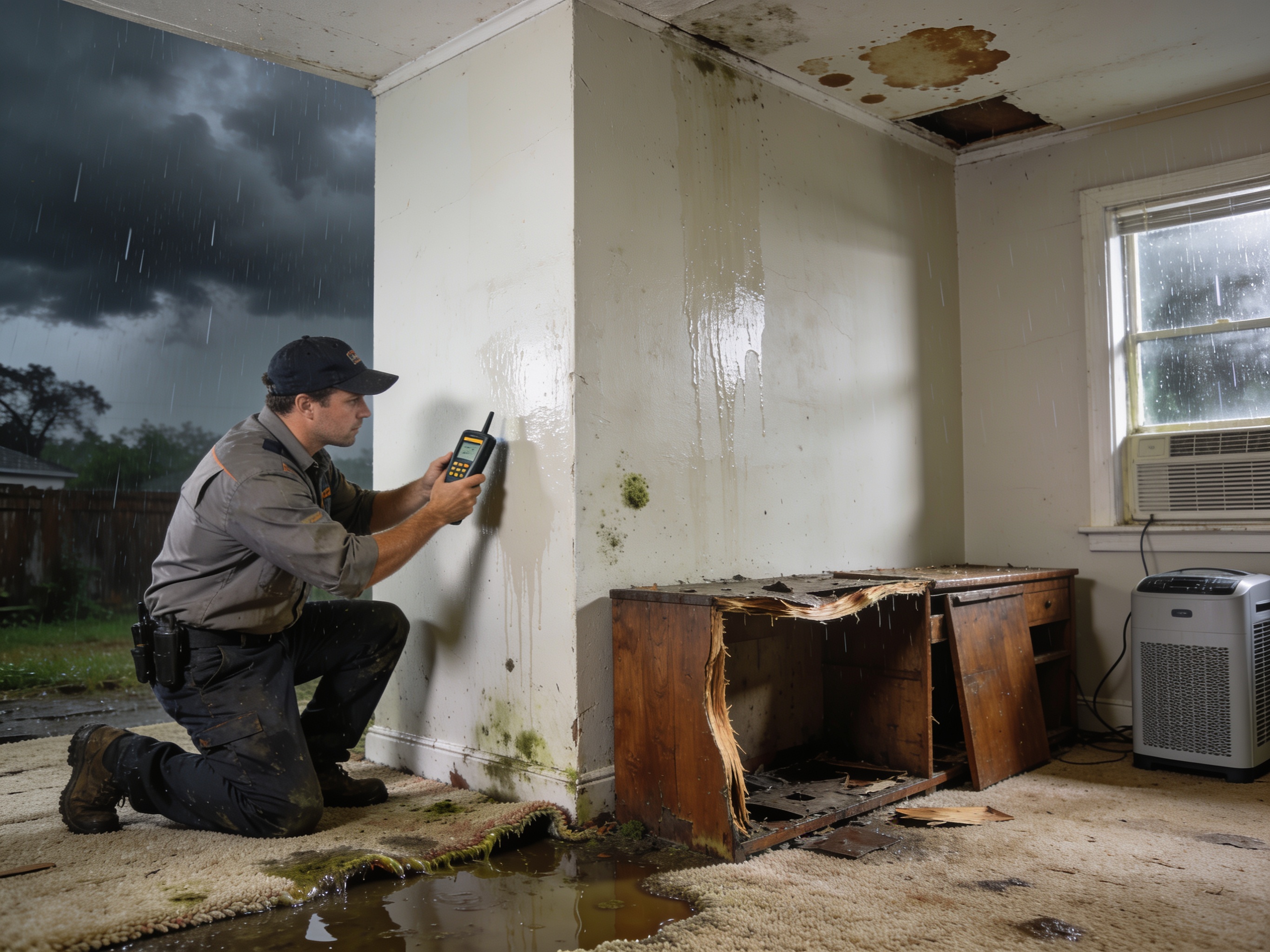
Handling water damage after Houston summer storms begins with extraction and drying within the first 24 hours to limit mold risks in the area's hot humid conditions. Storms often dump several inches of rain quickly across Harris County, pushing water into foundations of older homes in neighborhoods such as the Heights and Montrose where crawl spaces and aging pipes are common. Prompt action prevents saturation from spreading into walls and floors, especially when mild winters give way to sudden downpours that overwhelm drainage in Midtown and Downtown.
Assessing Storm Intrusion in Houston Housing Stock
Summer storms hit older homes in the Heights and Montrose hardest because many structures date back decades with brick foundations and outdated grading that directs runoff toward basements or slabs. In River Oaks and Midtown, newer builds still face issues from flat roofs and poor gutter maintenance during intense afternoon thunderstorms common in the subtropical climate. Homeowners should check for standing water near the Houston Zoo area or Museum of Fine Arts properties where soil saturation lingers due to clay-heavy terrain in Harris County. Look for discoloration on drywall, musty odors in closets, and soft spots in flooring as early indicators. Document visible damage with photos before any cleanup to support insurance claims later.
Extraction and Drying Steps for Humid Summers
Begin by removing standing water with pumps or wet vacuums, focusing first on lower levels where gravity pulls moisture in homes across Downtown and Midtown. Follow with industrial air movers and dehumidifiers set to pull humidity below 50 percent, a key threshold in Houston's climate that can otherwise extend drying times by days. Place equipment in a grid pattern covering affected rooms, checking progress every 12 hours with moisture meters on concrete slabs common in Pearland and Sugar Land properties. Water Damage Restoration teams often combine these tools with antimicrobial treatments to address bacteria from floodwaters. Monitor for hidden pockets behind cabinets or under flooring that retain dampness longer in the humid air.
Preventing Mold Growth After Initial Cleanup
Mold colonies can form within 48 hours in Houston's heat and humidity, making thorough drying essential for homes in Katy and Sugar Land where summer storms frequently cause repeated saturation. Remove and discard porous materials like carpet padding or insulation once they exceed saturation thresholds, then treat remaining surfaces with EPA-registered solutions. Increase ventilation by opening windows during drier evening hours while running fans to circulate air across Midtown and Heights properties. Follow up with steps to dry out a flooded Houston home that detail moisture mapping techniques used by local crews. Regular checks every few days help catch any rebound moisture before it leads to structural concerns.
When Professional Help Makes Sense in Harris County
Call specialists once water exceeds a few inches or affects electrical systems, particularly in older Montrose and River Oaks residences where wiring runs close to foundations. Teams familiar with local conditions in Pearland and Katy can deploy truck-mounted equipment faster than rental units and handle disposal of contaminated materials per county guidelines. Review typical costs for water damage restoration in Houston to understand factors like square footage and material types that influence project scope. Business operations at 1810 Space Park Dr run Mon–Fri 8am–6pm and Sat 9am–2pm for scheduling assessments after storms.